Can a domestic violence conviction in Florida affect your right to own or possess a firearm? Many people are surprised to learn how quickly legal consequences can extend beyond fines or jail time. Firearm restrictions after a DV conviction in Florida often arise because domestic violence is not a single charge but a legal classification tied to specific relationships and offenses.
Florida law defines these qualifying relationships under Fla. Stat. § 741.28. This statute shapes how courts handle domestic violence cases from arrest through sentencing, including conditions that may limit firearm access. Understanding these classifications helps explain why firearm rights are frequently impacted after a conviction.
After a domestic violence conviction, restrictions may come from court orders, state law, or overlapping federal rules. These limits can affect possession, purchase, or access to firearms for years. Speaking with a Ponte Vedra Beach violent crimes lawyer can help clarify your rights and protect your future.
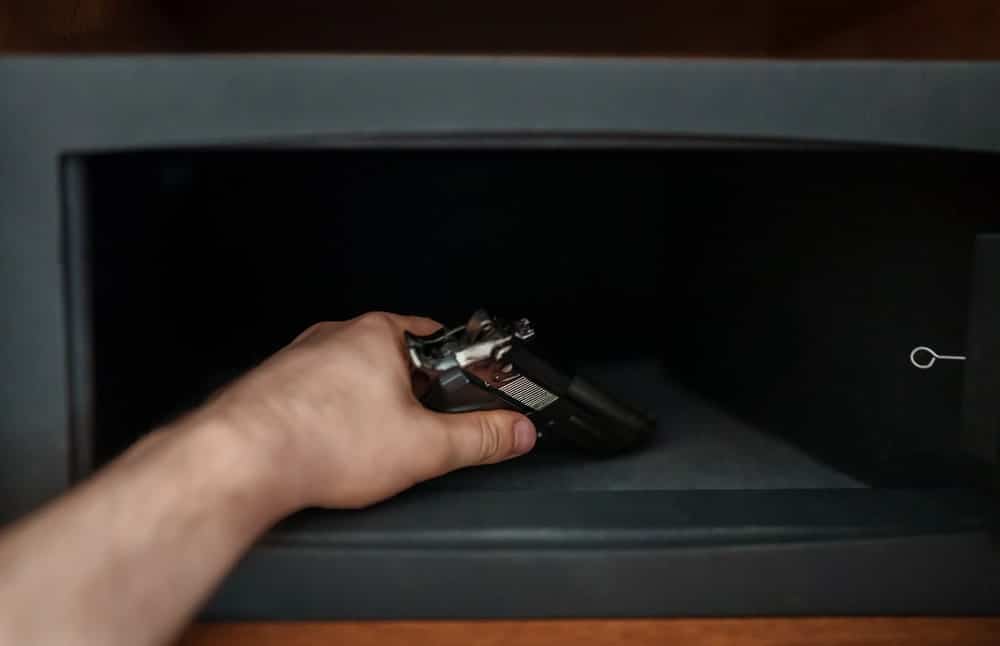

What Firearm Restrictions Mean After a DV Conviction
Firearm restrictions after a domestic violence conviction often involve consequences that reach beyond the courtroom. These limits can affect daily routines, shared living spaces, and long-term legal rights.
Domestic Violence Is a Legal Classification, Not a Separate Crime
Domestic violence in Florida is a legal classification applied to certain offenses based on the relationship between the parties involved. It does not create a separate criminal charge but changes how the court handles an underlying offense. Because of this structure, firearm consequences depend on the specific conviction rather than the domestic violence label alone. The distinction matters because misdemeanor and felony convictions lead to very different firearm outcomes.
Firearm Restrictions Focus on Possession and Access
Firearm restrictions often regulate possession or access rather than ownership alone. Courts may prohibit contact with firearms even when they belong to another household member. This creates practical compliance challenges in shared living environments. Restrictions may apply regardless of whether a firearm was involved in the original incident.
The Two Conviction Paths That Matter Most
Domestic violence convictions can have long-term consequences beyond criminal penalties. Understanding how felony and misdemeanor convictions affect firearm rights helps individuals navigate their legal obligations and compliance requirements.
Felony Domestic Violence Convictions
- A felony domestic violence conviction generally results in a long-term loss of firearm possession rights, which may be permanent unless restored through limited legal processes.
- Restrictions apply regardless of whether the violent act involved a firearm directly, as Florida law prohibits both firearm and ammunition possession following qualifying felony convictions.
- These consequences extend to both personal and professional contexts, including employment in security or law enforcement.
- Legal guidance ensures understanding of state and federal firearm restrictions.
Misdemeanor Domestic Violence Convictions
- Even misdemeanor convictions can trigger firearm possession limitations under certain conditions.
- The focus is on whether force or threats were involved, not solely the severity of injury.
- Legal consequences may also arise under federal law, even when Florida law does not independently prohibit firearm possession.
- Awareness of these restrictions is essential for compliance and avoiding additional criminal liability.


The Federal Firearm Ban Triggered by Certain DV Misdemeanors
Federal law can prohibit firearm possession after a qualifying misdemeanor domestic violence conviction under 18 U.S.C. § 922(g)(9). This restriction can apply even when state law classifies the offense as a misdemeanor.
Why This Federal Rule Catches People Off Guard
Many people assume misdemeanor convictions do not affect firearm rights, which creates serious misunderstandings after a case ends. Federal law focuses on the elements of the offense rather than the sentence imposed by the court. Because of this approach, firearm restrictions may apply even when penalties seem minor. These limits can surface long after probation or other conditions are completed.
What Conduct Is Actually Prohibited
Federal restrictions reach beyond firearm ownership and focus on possession and access. Prohibited conduct includes possessing firearms, receiving firearms, or holding ammunition. Attempts to purchase firearms through licensed dealers are also restricted. Even indirect access can raise serious legal concerns.
How Firearm Restrictions Apply in Everyday Situations
Firearm restrictions often create confusion when applied to daily routines and shared environments. Understanding how access and use are evaluated helps reduce accidental violations.
Possession and Access Risks
Firearms stored in shared homes can create legal exposure even when they are not personally owned. Courts may view access through vehicles, safes, or closets as meaningful control. Location and proximity often matter more than ownership paperwork. Assuming safety because someone else owns the firearm can still carry legal risk.
Purchase and Carry Are Separate Issues
Buying a firearm can be restricted even when possession rules appear unclear. Background checks and dealer records can trigger enforcement without any new allegations. Carrying a concealed firearm involves separate eligibility standards and permit requirements. Restrictions may apply automatically based on legal status, not new conduct.
How Long Firearm Restrictions Last and When They End
Firearm restrictions do not always end when a case closes or penalties are completed. The duration depends on what legal rule triggered the restriction and how the case was resolved.
Duration Depends on the Legal Trigger
Felony-based firearm restrictions are often long-lasting and may continue indefinitely under Florida and federal law, unless rights are restored through legally recognized procedures. Misdemeanor-based federal restrictions can also continue indefinitely, even after probation ends. Court orders may impose time-limited restrictions tied to probation or sentencing terms. The controlling rule determines how long firearm access remains restricted.
Relief Is Limited and Fact-Specific
Relief from firearm restrictions is not available in every case or for every conviction. Restoring rights is never automatic and often requires meeting specific legal conditions. Outcomes depend on how the conviction is classified and resolved under the law. A criminal defense attorney in Ponte Vedra Beach can evaluate whether relief options may exist.


Firearm Restrictions Tied to Domestic Violence Injunctions
Even without a new conviction, firearm possession can be prohibited when a person is subject to a final domestic violence injunction. Florida law, under Fla. Stat. § 790.233, bars the possession of firearms and ammunition during the duration of qualifying domestic violence injunctions.
Why Injunction Rules Often Cause Confusion
- Injunctions are civil orders, not criminal convictions, but still carry legal restrictions.
- Firearm possession prohibitions apply while the injunction is active, regardless of prior criminal history.
- Criminal cases and injunctions may end on different timelines, creating overlapping obligations.
- Awareness of the injunction’s scope and duration is critical for compliance.
- Consulting a lawyer helps clarify obligations and prevent inadvertent violations.
Consequences of Violating an Injunction-Based Firearm Ban
- Violations can result in new criminal charges, even without actual use of the firearm.
- Penalties may include fines, probation, or incarceration, depending on circumstances.
- Compliance requires careful monitoring of court orders and active adherence to restrictions.
- Legal guidance ensures understanding of both civil and criminal consequences.
- Early intervention helps prevent additional legal complications and long-term liability.
Conclusion
Firearm restrictions after a domestic violence conviction in Florida depend on the conviction and court orders. Some limits arise from felony convictions, others from misdemeanor offenses, and others from injunctions. Federal rules may still apply, even after state penalties end.
These rules focus on possession and access, not intent, which causes frequent misunderstandings. Misunderstanding restrictions can quickly create new legal problems without any subsequent criminal allegations. Knowing how long limits last helps people make informed decisions and avoid violations.
At Malcolm Anthony, P.A., we understand how confusing firearm restrictions can feel after a domestic violence conviction. Our domestic violence lawyers in Ponte Vedra, FL, help clients understand their rights and avoid serious legal consequences caused by misunderstandings. We focus on clear guidance, careful case review, and practical legal solutions under Florida law. Contact us today or call us at (904) 285-4529 to speak with a skilled attorney. Take action early and let our firm help you protect your future with confidence.


