A late-night argument leads a neighbor to call 911, and within minutes, officers are standing at the door, assessing what happened. In Ponte Vedra Beach, moments like this often turn into domestic violence cases built on physical evidence, digital messages, and officer observations gathered at the scene, which is how many DV cases in Ponte Vedra Beach begin. Because these early details are documented quickly, they can shape how the case starts and how it moves forward.
Florida law places domestic violence into a broad category that includes assault, battery, stalking, and related conduct, allowing courts to review different forms of proof based on the situation. This definition allows judges to consider both visible injuries and communication between individuals when evaluating events.
These cases often move faster than people expect, especially within the St. Johns County court system, where early filings and hearings can influence the case’s direction. Because timing and accuracy matter, understanding how evidence is used helps individuals respond more organized and carefully. Speaking with an experienced Ponte Vedra Beach violent crimes lawyer early can help manage documentation, meet deadlines, and reduce the risk of avoidable mistakes.
Key Takeaways
- Domestic violence cases in Ponte Vedra rely on physical evidence, digital records, and officer observations.
- Text messages, 911 calls, and videos help establish the timeline, intent, and how events developed.
- Courts compare statements, witness accounts, and reports to evaluate consistency and credibility.
- Only relevant and admissible evidence is considered, and conflicts are resolved by weighing reliability and detail.

What Evidence Must Be Proven in a Domestic Violence Case
Evidence must show what happened, how it happened, and whether the account can be supported by reliable proof. Courts look at the full picture, connecting details to understand the situation as a whole.
How Evidence Supports or Challenges Allegations
Evidence helps determine whether an incident occurred as reported and whether the details remain consistent over time, especially in situations where accounts may change or conflict. It clarifies intent, actions, and the sequence of events by connecting statements with physical or recorded proof. When information aligns, it may support the claims being made, but when gaps appear, it can raise questions about accuracy.
How Judges Use Evidence To Make Decisions
Evidence is reviewed by comparing details across different sources to determine whether it remains consistent and reliable. Credibility is assessed based on timing, level of detail, and whether supporting proof strengthens each version of events. This careful comparison helps identify which account is more dependable within the full record.
Messages, Calls, and Video Footage in DV Cases
Digital communication and recordings often provide a direct view of what happened before and during an incident. Courts review this material to understand tone, timing, and how events may have escalated.
Text Messages, Emails, and Social Media Content
- Messages can show threats, rising tension, or statements that reflect how a situation developed over time.
- They may help establish intent, possible motives, and whether an ongoing conflict existed.
- Patterns in communication can support or challenge each side’s description of the incident.
- Careful review of these exchanges helps provide context for the case.
911 Calls, Voicemails, and Recorded Video
- Calls often capture tone, urgency, and immediate reactions before details are fully processed.
- Recordings may reflect emotional responses that offer insight into how the situation unfolded.
- Video footage, including body camera or surveillance recordings, can confirm or contradict later statements.
- These materials help courts compare real-time events with how the incident is described afterward.


Statements From Individuals, Witnesses, and Officers
Statements often provide the first detailed account of what occurred and how each person describes the situation. Courts review these accounts together to understand how events unfolded from different perspectives.
Statements From the People Involved
Statements from the individuals involved provide direct accounts of what happened and how each person experienced the incident. These descriptions often include details about actions, timing, and interactions that may not appear in other forms of evidence. When accounts remain consistent, they may support credibility, but differences can raise questions about reliability.
Observations Reported by Witnesses and Law Enforcement
Witness statements can either support or challenge the accounts provided by the individuals involved, depending on what was observed. These observations often add context by describing behavior, tone, and actions at the time of the incident. Law enforcement officers also document conditions at the scene, including physical surroundings and immediate responses.
How Evidence Is Examined in St. Johns County Courtrooms
St. Johns County courts review evidence by looking at how each piece connects to the overall account of what occurred. This process helps judges understand whether the details form a clear and reliable picture of events.
How a Ponte Vedra Beach Case Is Reviewed in Court
In court, police reports, photographs, and recordings are reviewed together to understand how the incident unfolded. Judges compare timelines, communication records, and physical evidence to determine whether the details align across sources. When information connects clearly, it can support a consistent version of events presented in the case.
What Judges Focus on When Weighing Evidence
Judges focus on whether different types of evidence remain consistent when placed side by side during review. They assess how well each piece supports a clear, reliable sequence of events based on timing and detail. When evidence aligns, it may strengthen the overall account presented in court.
What Makes Evidence Relevant and Admissible in Court
Courts first decide whether evidence can be considered before using it to evaluate a case. This step ensures that only information connected to the incident is reviewed during proceedings.
How Courts Decide Whether Evidence Can Be Used
- Courts examine whether the evidence directly relates to the alleged incident and helps explain what occurred.
- Information that does not clearly connect to the facts is usually excluded during review.
- This approach keeps the focus on details that matter to the case.
- It also helps prevent confusion during legal proceedings.
How Florida Law Defines Relevant Evidence
- Courts follow established legal rules when deciding whether evidence should be considered.
- Florida law defines evidence as relevant when it makes a fact more or less likely.
- Florida Statutes § 90.401 sets forth the standard for evaluating admissibility.
- This rule guides judges in determining whether information can be used in court.
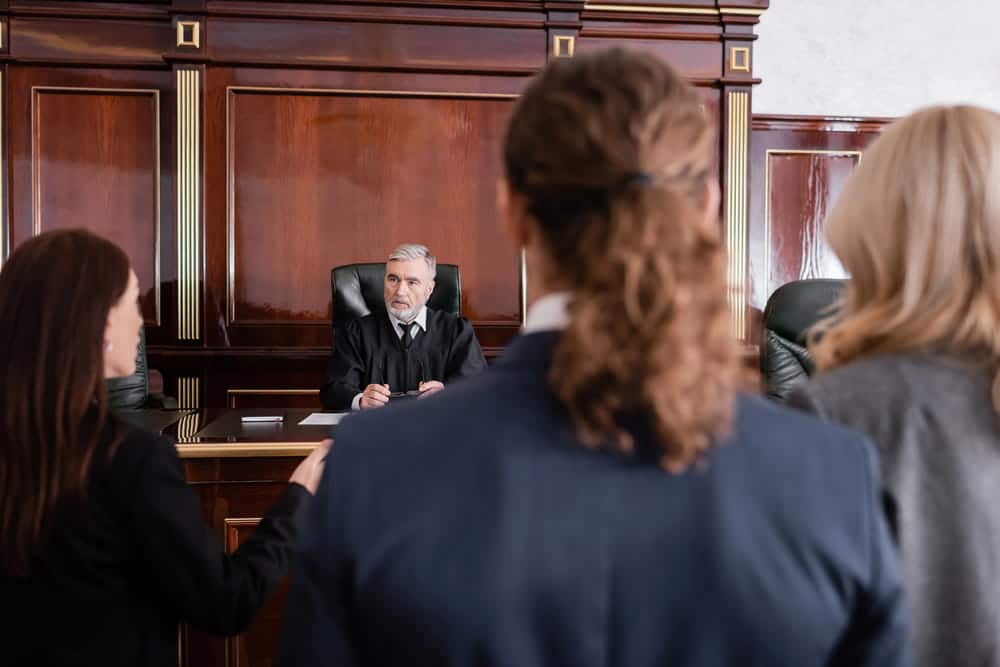

How Conflicting Evidence Can Affect Case Outcomes
Conflicting evidence can change how a case is understood when different details point in separate directions. Courts must review these differences carefully to determine which account is supported by reliable proof.
When Different Accounts and Records Do Not Match
In some situations, a neighbor may report hearing a loud late-night argument, while the individuals involved offer different accounts of what occurred. This difference can create uncertainty, especially when each version presents a different sequence of events. Officers then compare injuries, scene conditions, and messages to determine whether the details remain consistent.
How Courts Resolve Conflicts Between Evidence
Courts resolve conflicts by weighing physical evidence, statements, and digital records to determine which version is supported. Judges look at consistency, timing, and whether supporting details strengthen one account over another. When evidence aligns, it may clarify what likely occurred based on the full record.
Contact a Ponte Vedra Beach Violent Crimes Lawyer
Domestic violence cases in Ponte Vedra Beach often depend on physical evidence, digital records, and firsthand observations to establish what occurred. Courts in St. Johns County review injuries, communication history, and police reports while closely evaluating the credibility of each statement.
Because these cases can move quickly, small details and early decisions often shape how events are interpreted and presented in court. Taking steps to organize records, preserve communication, and respond carefully can reduce uncertainty as the case progresses.
At Malcolm Anthony, P.A., we understand how overwhelming these situations can feel when evidence, timelines, and legal pressure build at once. Our team works closely with you to review records, explain how evidence may be used, and help you stay prepared at every stage. Contact us today or call (904) 285-4529 to speak with an experienced lawyer in Ponte Vedra Beach who can help you move forward with clarity and confidence.


