Have you ever watched flashing police lights appear in your rearview mirror and immediately wondered how much your life could change before the night is over? In many Ponte Vedra Beach DUI cases, an ordinary drive home can quickly turn into concerns about court dates, license suspension, insurance costs, and damage to a professional reputation. Before a case ever reaches trial, many drivers begin questioning what evidence officers collected and whether the arrest will withstand closer legal review.
Florida DUI cases focus on whether alcohol, drugs, or chemical substances affected a driver’s normal abilities or caused unlawful alcohol levels while operating or controlling a vehicle. These standards appear in Florida Statutes § 316.193, which explains when prosecutors may pursue DUI charges and what evidence officers may rely on during an investigation.
Even so, DUI investigations do not always unfold as clearly as they first appear during a roadside stop. Differences between body camera footage, written reports, and testing procedures sometimes raise questions about how the investigation was handled. An experienced Ponte Vedra Beach DUI lawyer can review the evidence carefully, identify weaknesses in the case, and help protect a driver’s rights from the beginning.
Key Takeaways
- Prosecutors must prove impairment, unlawful alcohol levels, or actual physical control before a DUI conviction can occur in Ponte Vedra Beach.
- Prosecutors review driving behavior, officer observations, chemical tests, and video footage when evaluating DUI allegations.
- Traffic stop legality matters because improper stops can weaken or challenge evidence gathered afterward.
- Testing errors, conflicting footage, or incomplete records may affect the reliability of DUI evidence in court.
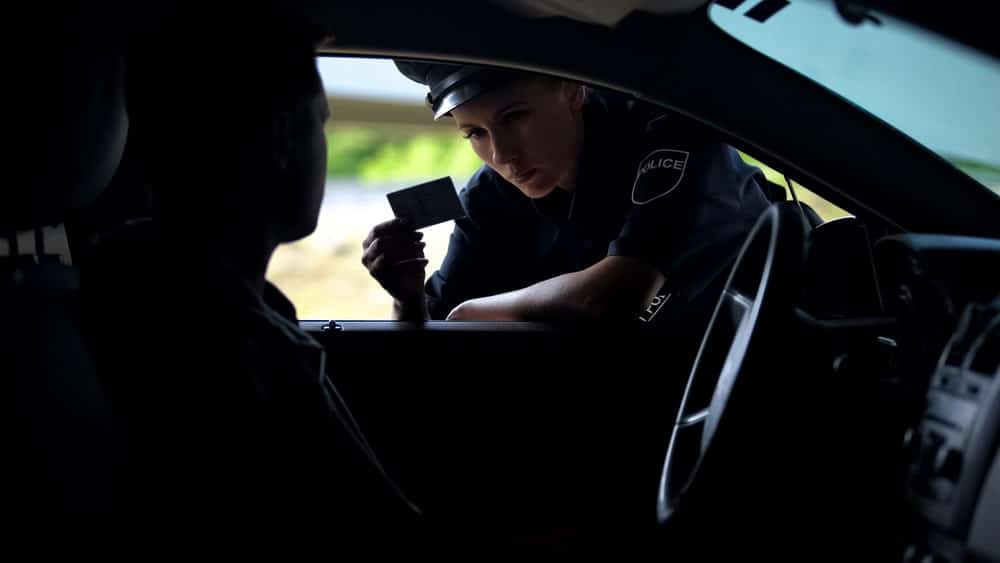

What Must Police Establish in a DUI Case?
A DUI charge requires more than suspicion or a roadside arrest. Prosecutors must present evidence supporting each legal element before a court may convict a driver.
Driving or Actual Physical Control
Police must establish that the driver was operating or controlling the vehicle before a DUI case may proceed in court. These issues sometimes arise when officers find someone inside a parked vehicle late at night or near the roadside. Investigators often examine vehicle position, ignition status, witness observations, and whether the driver could immediately operate the vehicle.
What Counts as Impairment?
Officers often look for signs that alcohol or drugs affected balance, coordination, judgment, speech, or reaction time during the investigation. Some cases also involve breath or blood alcohol testing, especially when prosecutors rely on chemical results later in court. DUI allegations may involve alcohol, prescription medication, controlled substances, or claims involving several substances together.
Why Does the Traffic Stop Matter?
The legality of the traffic stop often becomes one of the first issues reviewed in a DUI case. Evidence gathered after the stop may be challenged if officers lacked a valid reason to initiate the investigation.
What Usually Leads to a DUI Stop?
- Officers may begin a traffic stop after observing swerving, speeding, delayed braking, traffic violations, or crash-related activity.
- These driving patterns often become part of the investigation once officers begin documenting observations and speaking with the driver.
- Police reports usually explain why the stop occurred and what circumstances led officers to investigate further.
- The stated reason for the stop can become an important issue later in the case.
What Happens When Video and Officer Observations Conflict?
A driver may be stopped late at night near Ponte Vedra Beach after briefly drifting within a lane. An officer may later report signs of impairment, while body camera footage raises questions about whether those observations fully match the interaction. Courts can compare video recordings, police reports, field sobriety exercises, and chemical test results when deciding how reliable the investigation appears.
How Can Local DUI Procedures Affect a Case?
Local procedures often influence how DUI investigations unfold after an arrest. The way officers collect, document, and preserve evidence may later affect how prosecutors evaluate the case.
How Do Local Enforcement Practices Shape Investigations?
DUI enforcement methods can differ depending on the agency, officer training, and the circumstances surrounding the traffic stop. Local procedures may affect how officers conduct roadside investigations, document observations, and collect evidence after an arrest. Once a driver enters the booking and release process, important records and deadlines can begin moving quickly.
What Happens After a DUI Arrest in Ponte Vedra Beach?
Many DUI arrests in Ponte Vedra Beach move quickly into the St. Johns County court process after release from custody. Drivers may soon face court dates, license-related concerns, and requests involving evidence or testing records connected to the arrest. Local scheduling procedures and filing requirements sometimes affect how quickly important issues must be addressed in court.

How Is Chemical Testing Used in DUI Cases?
Chemical testing often becomes an important part of DUI investigations after an arrest occurs. Prosecutors may later review testing results together with officer observations, video footage, and other evidence collected during the case.
What Types of Chemical Tests Are Used?
Officers may request chemical testing after an arrest, depending on the suspected type of impairment. Breath testing commonly appears in alcohol-related cases, while urine or blood testing may arise when officers suspect drug impairment or need additional evidence. Prosecutors later review testing records alongside police reports, field sobriety exercises, and body camera footage when evaluating the case.
What Are Florida’s Implied Consent Rules?
Florida’s implied consent rules may require drivers to comply with lawful breath, urine, or, in certain circumstances, blood testing requests after a DUI arrest. These rules explain the consequences of refusing a lawful test request and the procedures connected to chemical testing evidence. Refusal allegations may later become part of the evidence prosecutors use in a DUI case.
What Can Weaken DUI Evidence?
DUI investigations sometimes involve evidence that raises reliability concerns during closer review. Small procedural problems or inconsistencies may later affect how prosecutors and courts evaluate the strength of the case.
What Problems Can Affect Testing or Investigation Procedures?
- Testing delays, calibration concerns, incomplete records, and unclear roadside conditions may affect the reliability of the investigation.
- These procedural issues can become more important once prosecutors review the evidence before court proceedings.
- Officers are expected to properly document testing procedures, observations, and evidence collection after an arrest.
- Gaps or inconsistencies in this process may raise questions about how the investigation was handled.
Why Do Reports and Video Footage Matter?
- Body camera footage, dash camera recordings, police reports, and witness statements are often reviewed together.
- Written reports do not always capture every detail from the roadside interaction or fully reflect recorded footage.
- Video evidence may support officer observations in some situations.
- In other cases, recordings may raise questions about parts of the investigation or the accuracy of reported events.

How Do Prosecutors Evaluate DUI Evidence?
Prosecutors usually review the full investigation before deciding how strongly to proceed with a DUI case in court. The overall reliability of the evidence is often important when assessing whether the allegations are fully supported.
What Evidence Is Reviewed After an Arrest?
Prosecutors generally review the full body of evidence rather than relying on one fact or observation. Officer testimony, testing records, video footage, witness statements, and roadside observations can all shape how the case is evaluated. When one part of the evidence appears weak or inconsistent, it can affect how reliable the rest of the investigation seems.
Why Does Early Evidence Review Matter?
DUI investigations often move quickly once an arrest occurs and evidence begins entering the court process. Testing records, preserved footage, officer documentation, and procedural timelines can become important during the earliest stages of the case. A careful review may uncover inconsistencies, missing documentation, or reliability concerns that were not obvious immediately after arrest.
Call a Ponte Vedra Beach DUI Lawyer
Police in Ponte Vedra Beach DUI cases must gather evidence connected to impairment, unlawful alcohol levels, or actual physical control of the vehicle. Prosecutors may review officer observations, chemical test results, video footage, witness statements, and other records before deciding how strongly the case can move forward.
In St. Johns County, DUI cases can move quickly after an arrest, especially when court dates, license concerns, and evidence requests begin at the same time. Early review can help identify testing issues, missing records, conflicting footage, or other concerns that may affect the strength of the prosecution’s case.
At Malcolm Anthony, P.A., we understand how stressful a DUI arrest in Ponte Vedra Beach can feel when important questions arise quickly. Our team reviews the investigation carefully, explains the legal process clearly, and helps clients respond with the right next steps. Contact us today or call (904) 285-4529 to speak with an experienced Ponte Vedra Beach DUI lawyer about your case.


