Police search a shared Ponte Vedra Beach apartment and discover drugs inside a cabinet that you say you never opened. Florida allows drug charges even when officers find nothing on your body. Prosecutors may rely on constructive possession, but a conviction requires proof of the applicable offense elements beyond a reasonable doubt.
Florida Statutes § 893.13(6)(a) prohibits unauthorized actual or constructive possession of controlled substances. Constructive possession requires proof that the accused knew the drugs were present and had the ability to control them. When several people share a location, prosecutors must examine evidence connecting the accused to the substance rather than relying on shared occupancy alone.
These distinctions make the search location, access records, and statements important when reviewing a possession allegation. Malcolm Anthony, P.A.’s Ponte Vedra Beach drug crimes lawyer can examine those circumstances and identify factual or legal disputes.
Key Takeaways
- Florida permits constructive-possession charges even when officers find the controlled substance somewhere other than directly on the accused person’s body.
- Actual possession can include drugs within ready reach and under someone’s control, not merely substances carried inside their clothing.
- Shared occupancy generally requires additional evidence connecting an accused person to drugs, while exclusive control may support different inferences.
- Police reports, access restrictions, recorded statements, and laboratory findings can help evaluate whether the prosecution has sufficient possession evidence.

How Can You Be Charged When Drugs Were Not on You?
Florida recognizes two forms of drug possession, and each involves different circumstances connecting someone to a controlled substance.
What Is the Difference Between Actual and Constructive Possession?
Actual possession includes drugs on someone’s body, inside a container they carry, or within ready reach and under their control. Constructive possession applies when someone knows drugs are present and has the ability to control them without physically holding them. Prosecutors must establish the required connection to the substance rather than relying solely on its proximity to the accused.
Is Being Near the Drugs Enough to Prove Possession?
Standing near drugs does not automatically establish possession, particularly when several people share access to the location. Exclusive control of a location may support an inference of knowledge and control over substances discovered there. Drugs found in plain view in a jointly controlled common area may also support an inference of possession under Florida law.
How Can Evidence Establish Constructive Possession?
Recovery photographs, container ownership, access restrictions, and recorded statements can help establish knowledge and control in constructive-possession cases.
Why Does the Recovery Location Matter?
Drugs discovered inside a closed bag raise different questions from substances left openly visible on a shared kitchen table. Photographs, search reports, and witness accounts may establish who used the location and whether the substance could be seen. Ownership of a home or vehicle can be relevant, but it does not automatically establish possession of everything discovered inside.
Can Evidence From a Shared Vehicle Support a Charge?
Driving a vehicle does not automatically establish possession of controlled substances hidden inside a passenger’s personal belongings. Officers may examine who handled the container, where it was located, and what each occupant said during the investigation. Our guide to drug arrests in shared cars in Ponte Vedra explains how these circumstances may affect possession allegations involving multiple occupants.

Can Drugs in a Shared Home or Room Lead to Charges?
Drugs discovered in a private bedroom or locked container raise different possession questions from substances found in a shared living area.
Does Sharing the Space Make Everyone Responsible?
Two roommates share a Ponte Vedra Beach apartment, where officers discover drugs inside one roommate’s locked bedroom. The other roommate has no key, but police question both residents about their knowledge of the substance. Without evidence connecting the second roommate to the drugs, shared occupancy alone generally cannot establish constructive possession.
Can Your Statements or Actions Link You to the Drugs?
A statement claiming ownership of a container may connect someone to drugs later discovered inside that particular item. Officers may also document whether someone moved, concealed, opened, or attempted to retrieve the container during the investigation. Such conduct can support an inference of control when considered alongside the location, accessibility, and other available evidence.
What Must Prosecutors Prove Without Physical Possession?
Florida law distinguishes awareness that a substance is present from knowledge of its illicit nature, which involves a separate affirmative defense.
How Do Knowledge and Control Affect the Charge?
Florida’s possession jury instructions recognize that control does not require someone to physically hold or carry a substance. Prosecutors may use statements, observed conduct, and access evidence to establish the required connection between the accused and the drugs. However, the evidence must establish each required element beyond a reasonable doubt before a conviction is permitted.
What If You Did Not Know the Substance Was Illegal?
Not knowing drugs were present differs from knowing about a substance without recognizing its illicit nature. Under Florida law, prosecutors need not prove knowledge of a substance’s illicit nature as an ordinary possession element. A defendant may raise lack of that knowledge as an affirmative defense, subject to the statute’s requirements.
What Evidence Should You Review After a Drug Charge?
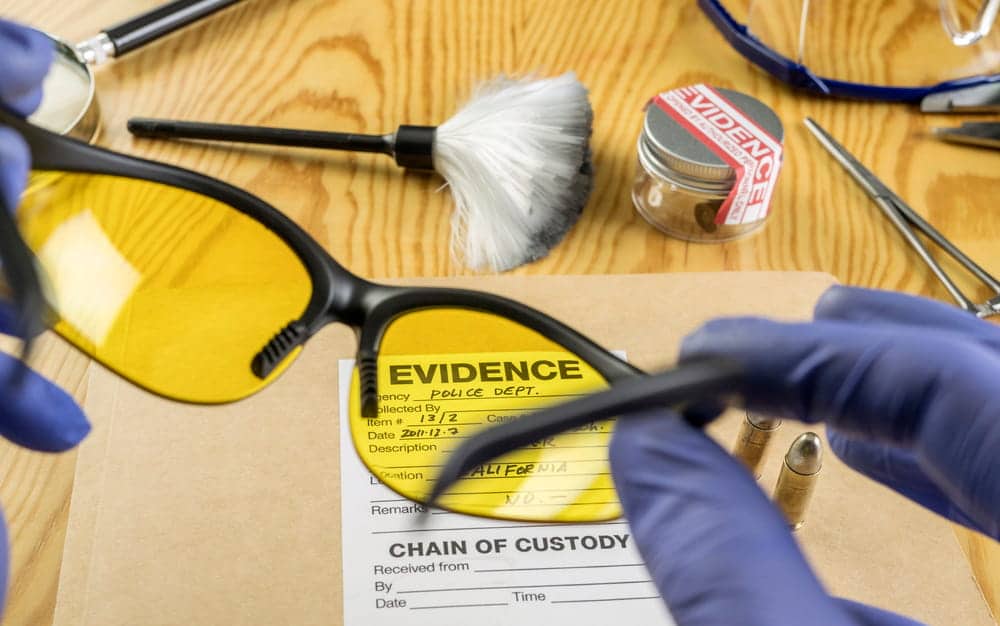
The following evidence categories help distinguish disputed possession facts from assumptions based solely on someone’s presence at the search location.
- Recovery location: Identify whether officers found the substance in a shared room, private bag, vehicle console, or closed compartment.
- Access: Determine who could enter the area or open the container where the substance was discovered.
- Control: Examine evidence showing who handled the container or directed what happened to its contents.
- Visibility: Establish whether the substance was openly visible or concealed from the accused person’s view.
- Statements and conduct: Review recorded statements and actions that prosecutors may use to connect someone with the drugs.
- Substance identification: Examine laboratory findings and other records identifying the substance involved in the criminal charge.

Which Facts Can Show Whether the Drugs Were Connected to You?
Possession evidence should be examined together because individual details may not establish knowledge or control independently. For example, a person’s access to a room may carry different significance when the drugs were concealed inside someone else’s locked container. Laboratory findings may identify the substance, but they do not independently establish who possessed it.
Where Can You Verify the Drug Charge Filed Against You?
The charge described during an arrest may differ from the offense prosecutors formally file after reviewing the evidence. Criminal cases arising in Ponte Vedra Beach proceed through the St. Johns County court system, where the Clerk maintains criminal case records. Reviewing available filings and scheduled hearings with your lawyer can clarify the formal allegations and upcoming court obligations.
Call a Ponte Vedra Beach Drug Crimes Lawyer
A drug charge does not automatically establish that the accused knowingly possessed or controlled the substance. Evidence involving shared access, concealed belongings, and disputed statements may determine whether prosecutors can prove the required elements. Reviewing these circumstances before making decisions about the case can help identify factual and legal disputes.
Malcolm Anthony, P.A. represents people facing drug charges in Ponte Vedra Beach. If you have been arrested or charged with a drug offense, our lawyers can review police reports, examine where the alleged drugs were found, and assess evidence concerning your knowledge or control of the substance. Contact us or call (904) 285-4529 to discuss your charges, available evidence, and potential defense options.


