Drivers often feel immediate pressure when approaching DUI checkpoints in Ponte Vedra Beach, especially when they are unsure what officers are allowed to do. The uncertainty can make even careful drivers second-guess their actions in a stressful moment. This tension is exactly why understanding your rights before reaching a checkpoint matters.
Florida permits checkpoints, but officers must follow strict procedures that prevent unpredictable or unfair stops. These rules protect drivers from overreach and ensure each checkpoint follows the law. Knowing these limits helps you stay calm and confident when interacting with police.
In this guide, you will learn what officers may request, what you are required to provide, and how implied consent applies at roadside stops. You will also understand the consequences of refusing tests and how experienced Ponte Vedra Beach DUI lawyers review every detail for legal errors. This knowledge gives you clarity before, during, and after a checkpoint encounter.
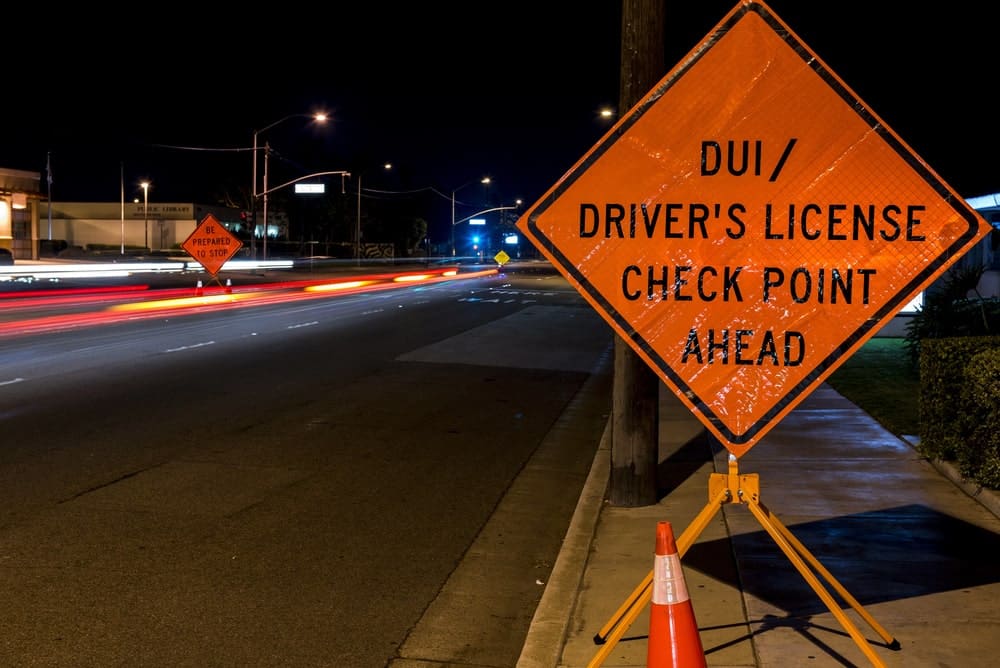
Are DUI Checkpoints Legal in Florida?
Florida permits sobriety checkpoints as long as officers follow strict supervisory and procedural guidelines established by Florida courts, including State v. Jones. These checkpoints are lawful only when officers follow a structured plan created before the operation begins.
What Makes a Checkpoint Valid
A valid checkpoint must follow a written operational plan approved before officers begin stopping vehicles. The plan must include a neutral stopping method so officers do not make individual decisions during the operation. Safety measures such as cones, reflective vests, lighting, and clear signs must be in place to protect drivers.
Red Flags That Make a Checkpoint Improper
Improper checkpoints often involve officers choosing which vehicles to stop without a pre-set pattern. A lack of supervisory presence can also signal that the operation does not follow required procedures. Delays or questioning unrelated to impairment may suggest that the stop fails to meet legal standards.
What Officers Can Require and What You Are Obligated to Do
Officers may briefly detain drivers at a checkpoint unless they observe signs of possible impairment. Your obligations begin only when officers request basic documents needed to confirm your identity and vehicle status.
What You Must Provide
Drivers must provide their license, registration, and proof of insurance when asked. Officers may instruct you to pull forward or lower your window to maintain safety. Keeping your hands visible and staying calm helps the interaction stay brief and orderly.
What Officers May Legally Do
Officers may ask short questions to observe your speech, coordination, and any noticeable odors. They may also look for visible signs that suggest possible impairment. The stop may continue only if they develop reasonable suspicion based on their observations.
Your Rights at a DUI Checkpoint in Florida
Even at a checkpoint, your constitutional protections remain fully in place, and officers must follow lawful procedures.
Your Right to Remain Silent
You do not have to answer investigative questions during a checkpoint stop.
- You are not required to explain where you were, where you are going, or whether you drank.
- A calm, clear statement such as “I choose not to answer questions” is legally acceptable.
- Your silence cannot be used as evidence of impairment, and officers cannot punish you for exercising this right.
Your Right to Decline Field Sobriety Exercises
Roadside tests are optional, even if officers strongly encourage them.
- Walk-and-turn, one-leg stand, and HGN eye tests are voluntary under Florida law.
- Officers cannot automatically penalize you for declining these roadside exercises.
- Refusing field sobriety tests does not cause an automatic license suspension—only refusing breath or blood testing does.
What Happens If Officers Suspect Impairment
Officers may escalate the stop only when they observe signs such as slurred speech, coordination issues, or the odor of alcohol. These observations allow them to move from a brief checkpoint stop to a closer evaluation.
Secondary Screening Process
Officers may ask you to step out of the vehicle so they can observe you more closely. They watch your balance, movement, and responses to simple instructions during this stage. Their goal is to determine whether enough evidence exists to continue toward probable cause.
How Officers Establish Probable Cause
Officers must rely on clear and specific observations rather than assumptions when forming probable cause. They consider driving behavior, physical symptoms, and any voluntary statements made during the stop. An arrest can only occur once these observable indicators create a lawful basis for action.
Refusing a Chemical Test After Arrest
Fla. Stat. § 316.1932 applies only after a lawful DUI arrest, meaning officers cannot require chemical testing before arrest.
First Refusal Consequences
A first refusal activates Florida’s implied-consent penalties immediately.
- Twelve-month license suspension, even if the DUI charge is later dropped.
- Refusal can be used as evidence in court to suggest consciousness of guilt.
- Drivers may request a formal DMV hearing to challenge the suspension and present evidence.
Second or Later Refusal Consequences
Penalties increase sharply for repeat violations.
- Eighteen-month suspension with no ability to obtain a hardship license.
- A second refusal may lead to a separate criminal charge, independent of the DUI.
- Courts regard repeat refusals as serious aggravating factors, which can influence sentencing and plea negotiations.
Penalties and Court Process After a DUI Checkpoint Arrest
Fla. Stat. § 316.1933 allows officers to request blood draws in cases involving crashes with serious injury. This statute shows how serious a DUI investigation can become once an arrest occurs at a checkpoint.
Administrative and Court Steps
A DUI arrest triggers an immediate license suspension unless you challenge it through an administrative hearing. The court process includes an arraignment, a review of the evidence, and hearings on legal motions. Depending on the circumstances, the case may move toward plea discussions or proceed to trial.
Long-Term Effects
A conviction can lead to fines, probation, license restrictions, or an ignition interlock requirement. Insurance rates often rise for many years and may affect future opportunities. A DUI record can remain visible for a long period and carry lasting personal and professional consequences.
Conclusion
DUI checkpoints are permitted in Florida only when officers follow strict procedures meant to protect individual rights. Drivers must provide requested documents but are not required to answer additional questions during the stop. They may also decline field sobriety exercises when no arrest has been made.
Implied consent applies only after a lawful arrest and refusals at that stage can create serious consequences. Understanding these rules helps drivers stay calm when encountering a checkpoint. Careful guidance ensures every step is handled properly.
At Malcolm Anthony, P.A., we understand how stressful a checkpoint stop and DUI investigation can become, especially when your rights feel uncertain. Our team is ready to review every detail, challenge improper procedures, and protect your future with skilled guidance. Contact us today at (904) 285-4529 to speak with our dedicated Ponte Vedra Beach criminal defense lawyer who will stand by you through each step.


