Florida requires an ignition interlock device after certain DUI convictions, while an ordinary first DUI does not always require one. These ignition interlock rules require an acceptable breath sample before an equipped vehicle can start. Required installation periods depend on the conviction and prior DUI history.
Florida law requires qualifying drivers to use a department-approved device before receiving certain permanent or restricted driving privileges. Florida Statutes § 322.2715 sets different minimum periods based on the conviction category and prior record. The statute also distinguishes between first convictions where installation is discretionary and circumstances where installation is mandatory.
The rules also address driving eligibility, covered vehicles, and conduct that can violate an interlock restriction. These requirements matter when a driver changes vehicles or determines whether the required period is complete. Malcolm Anthony, P.A.’s Ponte Vedra Beach DUI lawyer can review the conviction and driving record to identify the requirements that may apply.
Key Takeaways
- Florida interlock requirements vary by DUI conviction, prior history, alcohol level, passenger age, and required driving restrictions.
- Required installation periods can differ from suspension timelines, so conviction dates alone may not establish completion.
- Covered vehicles include those individually or jointly owned or leased and routinely operated by the restricted driver.
- Employer-owned vehicles may qualify for a limited exception when statutory notice and documentation requirements are satisfied.
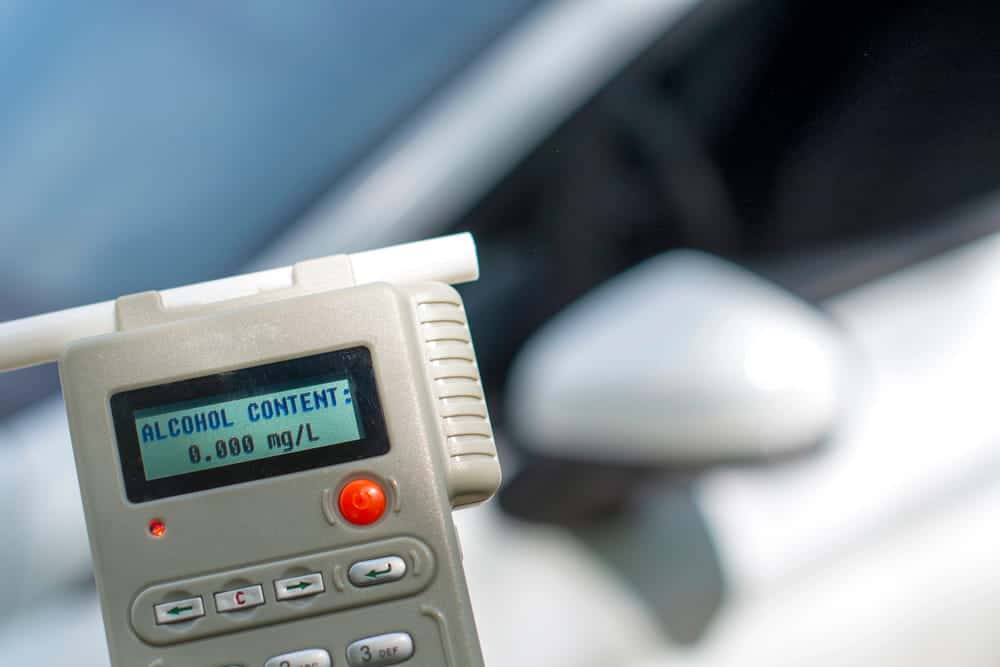

When Is the Device Required?
The required period depends on the current conviction, qualifying circumstances, and the driver’s prior record.
Does a First Conviction Always Require the Device?
No. An ordinary first DUI conviction does not always require an ignition interlock device. The device may be required for at least six continuous months after an ordinary first conviction. Installation is mandatory for at least six continuous months when the alcohol level was 0.15 or higher or a passenger was younger than 18.
How Do Prior Convictions Change the Required Period?
Prior convictions generally increase the required period, with Florida law setting different minimums based on the driver’s history:
- Second conviction: At least one continuous year.
- Enhanced second conviction: At least two continuous years.
- Third conviction: At least two continuous years.
- Fourth or subsequent conviction: At least five years.
Florida also counts certain out-of-state DUI, DWI, and similar alcohol- or drug-related traffic convictions when determining DUI history. These interlock periods remain separate from the broader suspension or revocation timeline.
When Does the Required Period Begin?
The required period differs from the suspension timeline, so the conviction date alone does not establish its completion date.
Does Suspension Time Count Toward the Required Period?
No. Serving a suspension or revocation does not, by itself, establish that the required interlock period is complete. A driver must separately satisfy the applicable interlock and licensing requirements before treating the restriction as finished.
When Must You Install the Device Before Driving Again?
Florida requires qualifying drivers to install the approved device before receiving covered permanent or restricted driving privileges. A driver should confirm the applicable restriction before operating a vehicle or calculating when the required period will end.

Which Vehicles Need the Required Device?
The rule focuses on covered vehicles the restricted driver routinely operates, rather than every vehicle connected with the household.
Which Personal or Family Vehicles Are Covered?
Florida law covers vehicles individually or jointly owned or leased and routinely operated by the convicted person. A jointly owned family vehicle can therefore fall within the requirement when the restricted driver routinely operates it. Drivers in multi-car households should determine which vehicles fall within the restriction before using them.
When Can You Drive an Employer’s Vehicle Without the Device?
Florida allows limited driving in an employer-owned or employer-leased vehicle during the course and scope of employment. Florida law requires notice to the employer and proof of that notice inside the vehicle. The exception does not apply when the restricted driver owns or controls the business, and it does not create a general exception for personal or borrowed vehicles.
What Rules Apply While the Restriction Remains Active?
Compliance requires lawful device use throughout the restricted period, not merely keeping the equipment installed.
What Conduct Can Violate the Driving Restrictions?
Florida prohibits tampering with or circumventing an interlock device, using another person’s breath sample, and knowingly providing certain unequipped vehicles. A driver should not alter or bypass the device because of a malfunction or disputed reading. A conviction for violating Florida Statutes § 316.1937 results in a one-year revocation, while a separate conviction during the same required period results in five years.
What If Your Equipped Car Becomes Unavailable?
A Ponte Vedra Beach driver’s equipped car needs repairs, and a relative offers an unequipped vehicle for commuting. The employer-vehicle exception does not create a general exception for borrowing a relative’s car. Before using the substitute, the driver should confirm whether the restriction allows that vehicle to be operated.

How Do You Know When the Requirement Has Ended?
Completion depends on satisfying the required continuous period and confirming the applicable court and licensing requirements before removal.
Which Local Record Can Confirm Your Case Disposition?
The St. Johns County Clerk’s Criminal Division handles criminal traffic, misdemeanor, and felony matters and maintains court disposition records. Ponte Vedra Beach drivers can use those records to check the disposition and sentencing terms in their DUI case. The court record does not, by itself, confirm that every separate licensing or interlock requirement has ended.
When Can You Remove the Required Device?
Do not remove the device solely because the expected number of months has passed. Confirm that the required continuous period and applicable licensing requirements have been satisfied before removal. Keep relevant court, licensing, and interlock records when their dates differ, or completion remains unclear.
Call a Ponte Vedra Beach DUI Lawyer
Ignition interlock requirements depend on the conviction, prior DUI history, licensing restrictions, and vehicles the driver operates. Confirming those requirements matters before changing vehicles, relying on an employer exception, or removing the device.
Malcolm Anthony, P.A. handles DUI and other criminal defense matters from its Ponte Vedra Beach office. If you have questions about an interlock requirement, our team can review your conviction, license status, installation period, and vehicle circumstances. Contact us today or call (904) 285-4529 to discuss the requirements affecting your driving privileges.


