A knock at the door early in the morning quickly turns into a search after officers present a judge-signed warrant. Questions about what officers may search, what they can take, and whether the warrant was valid often arise before anyone fully understands what is happening. Knowing how search warrants work can help explain why they play such an important role in many Florida drug investigations.
Before a judge may authorize a search warrant, officers generally must present facts establishing probable cause to believe that evidence of a crime will be found at a specific location. This requirement helps protect people from unreasonable searches while allowing law enforcement to investigate suspected criminal activity. Florida Statutes § 933.02 identifies the circumstances under which a judge may issue a search warrant.
Search warrant issues often become one of the earliest legal questions examined in a Florida drug case. The manner in which officers obtained or executed a warrant may affect whether certain evidence can be used during the prosecution. An experienced Ponte Vedra drug crimes lawyer can review the search, identify potential legal concerns, and explain how those issues may affect your defense.
Key Takeaways
- Search warrants generally require judicial approval supported by probable cause before a search occurs.
- Warrants limit where officers may search and what evidence they may lawfully seize.
- Courts may review whether officers properly obtained and executed the search warrant.
- Search warrant issues can affect whether evidence is admissible in a Florida drug case.
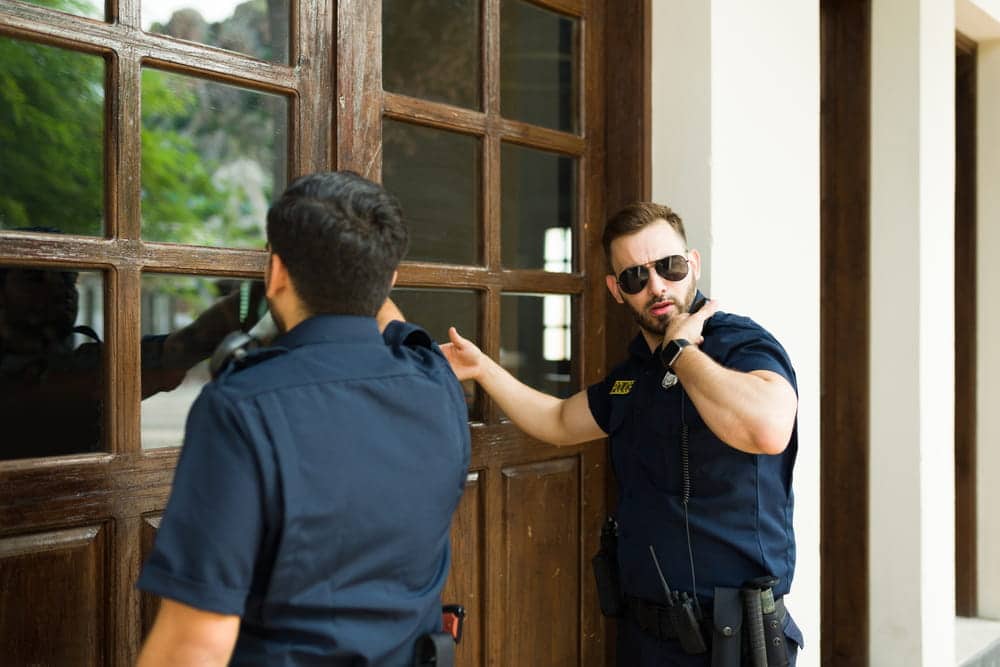

Why Police Seek Search Warrants in Drug Cases
Search warrants help balance effective investigations with important constitutional protections.
When Police Need Judicial Approval
Officers usually seek judicial approval before searching homes, vehicles, businesses, phones, or other private property during investigations. They must present facts establishing probable cause to believe evidence will be found at a specific location. This requirement protects privacy rights while allowing legitimate investigations to move forward, although Florida law recognizes limited exceptions.
How Judges Decide Whether to Issue a Warrant
Officers submit a sworn affidavit explaining the facts that support their request for a search warrant. A judge independently reviews that information before deciding whether the legal requirements have been satisfied. This oversight helps prevent unreasonable searches while ensuring approved warrants rest on sufficient factual support.
How Search Warrants Begin in St. Johns County
Once officers prepare a warrant application, the request moves through the local court process before any authorized search takes place.
How Local Judges Review Warrant Requests
- Drug investigations in Ponte Vedra Beach are generally handled within St. Johns County. Before officers conduct many searches, they must first obtain judicial approval when a warrant is required.
- Depending on the circumstances, a county judge or a circuit judge serving the Seventh Judicial Circuit may review the warrant application before deciding whether the legal requirements have been met.
- If the investigation later results in felony charges, the case generally proceeds through the local circuit court.
Why Local Court Procedures Matter
Although warrant requests are reviewed locally, judges apply the same constitutional principles and Florida laws used throughout the state. Understanding where those early decisions take place helps explain how a drug investigation progresses before a criminal case reaches later court proceedings.
What Police Can Search and Seize
A search warrant defines what officers may search and what evidence they may legally collect during an investigation.
What a Search Warrant Allows Officers to Search
A search warrant identifies the specific places officers may search, including a residence, vehicle, business, storage unit, or related property. Officers generally must stay within the areas authorized by the warrant while conducting the search. These limits help prevent broader searches that extend beyond the judge’s approval.
What Evidence Officers May Collect
Before a judge issues a search warrant, officers must present facts supporting probable cause through a sworn affidavit describing the location and evidence sought. Florida law requires probable cause supported by an affidavit before a warrant may be issued. When authorized, officers may seize suspected controlled substances, drug paraphernalia, packaging materials, financial records, electronic devices, or other evidence identified in the warrant.


How Police Carry Out a Search Warrant
A search warrant outlines how officers may conduct a lawful search after receiving judicial approval.
What Officers Do During the Search
After a judge authorizes the warrant, officers execute the search according to the limits described in the warrant. They search the authorized areas, document their actions, photograph or inventory evidence when appropriate, and collect approved property. After the search concludes, investigators evaluate the collected evidence to determine whether additional investigation or criminal charges are appropriate.
How a Drug Investigation May Unfold
For example, investigators may gather information suggesting that illegal drugs are being stored inside a residence before asking a judge to authorize a search. After reviewing the application, a judge may authorize the search if the legal requirements have been satisfied. Officers then search only the approved areas, collect the authorized evidence, document the search, and continue the investigation.
What Can Affect a Search Warrant’s Validity
Courts may closely examine a search warrant before deciding whether the evidence may be used in court.
Why Courts Review Some Search Warrants
Courts may examine whether the affidavit established probable cause, whether the warrant sufficiently described the place to be searched, and whether officers acted within the authority granted by the warrant. Each challenge depends on the facts of the investigation and the applicable law.
How Search Warrant Problems Can Affect a Drug Case
- Legal questions about a search warrant may affect whether certain evidence can be considered during court proceedings.
- Courts examine both the warrant and the officers’ actions when challenges arise during the case.
- Every decision depends on the facts, the available evidence, and the law that applies to the individual circumstances.


How Can Understanding Search Warrants Help Someone Facing Drug Charges?
Understanding how search warrants work provides helpful context for the legal issues that may arise during a drug investigation.
How Do Search Warrants Balance Investigations and Individual Rights
Judicial approval helps balance effective drug investigations with the constitutional protections that safeguard individual rights. Search warrants establish legal limits on where officers may search and what property they may seize. Following these procedures supports fair investigations and strengthens confidence in the criminal justice process.
Why Does Every Search Warrant Depend on the Facts of the Case
No two drug investigations involve the same facts, evidence, or legal issues. A search warrant represents only one part of a broader investigation that may include witnesses, forensic evidence, or additional legal questions. Understanding each step of the warrant process helps explain why search warrant issues often become an important part of defending or prosecuting Florida drug cases.
Call a Ponte Vedra Drug Crimes Lawyer
Understanding how search warrants work helps explain how Florida drug investigations balance effective law enforcement with important constitutional protections. Judges often review warrant requests before searches occur, and courts may later examine whether officers followed the legal requirements throughout the investigation.
At Malcolm Anthony, P.A., we help clients understand the legal issues that arise during drug investigations in Ponte Vedra Beach, St. Johns County, and the Seventh Judicial Circuit Court. Contact us today or call (904) 285-4529 to speak with an experienced drug defense lawyer and discuss your situation.


